 THE PERU TABLE / Lima
Lima · Historic centre · Small-group walk
Where the pisco sour was born — and still argued about.
A four-hour walk through Lima's historic centre: two grand hotels that both claim the drink, a bar that has served presidents since 1905, balconies read out loud by an architect — and a criollo table to finish. Never more than six guests.
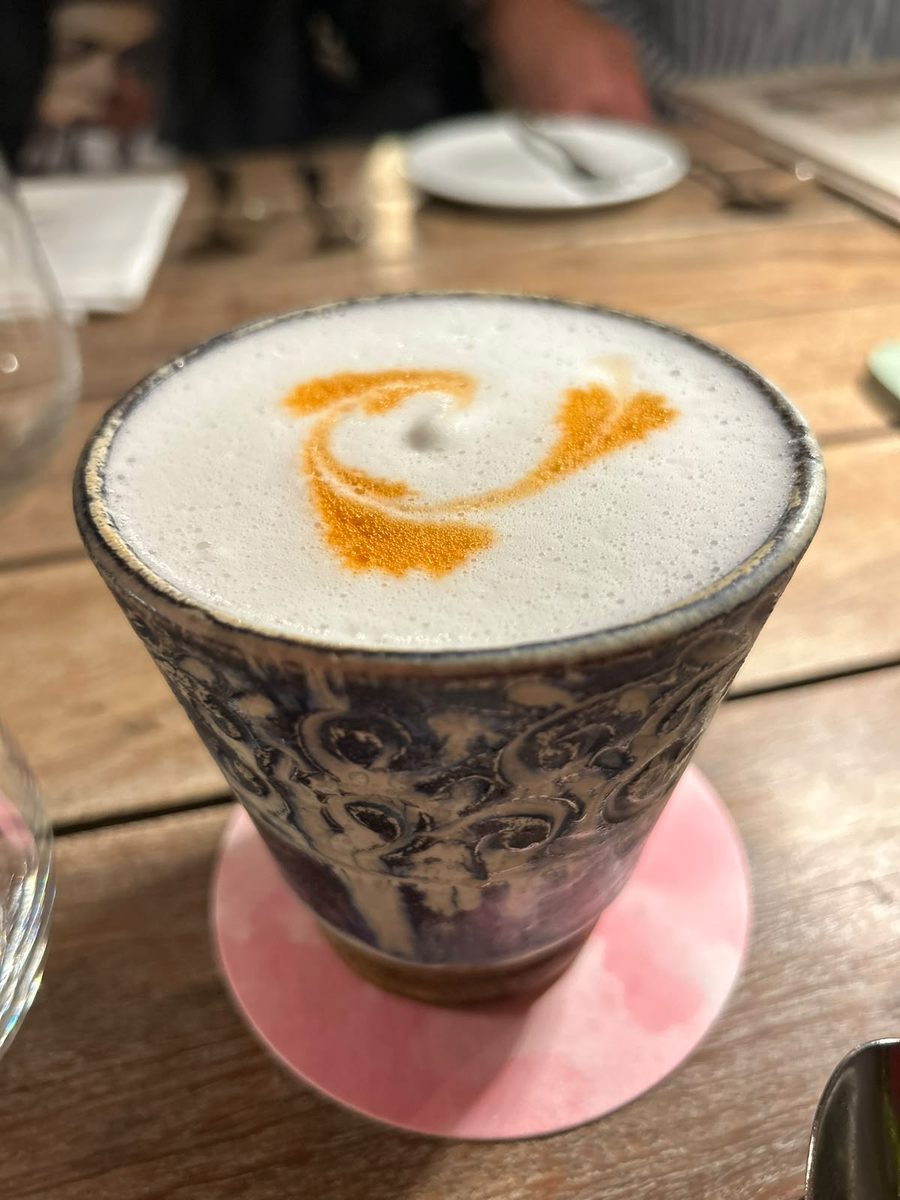
 Fig. 01 — Pisco sour
Stop 1 / 5 · Gran Hotel Bolívar
Fig. 01 — Pisco sour
Stop 1 / 5 · Gran Hotel Bolívar
Not your average food tour
Every dish has a recipe.
Every street has a blueprint.
Lima is the culinary capital of the Americas — and its historic centre is a UNESCO World Heritage site. On this walk you taste both at once: what's in the glass, and the palaces, balconies and tiled patios around it. That's what happens when your host is an architect.
"Simply in love with this tour. Walking through Lima's historic centre with an architect's eye, stopping to taste the best pisco, was the best decision of my trip. You can feel the care and the detail in every casona and every bar we visited."
"I explored downtown Lima and the historical sites. I had the famous pisco, which was delicious. And the restaurant we went to at the end was wonderful. How amazing Peruvian food is. It was totally worth it and I plan on coming back."
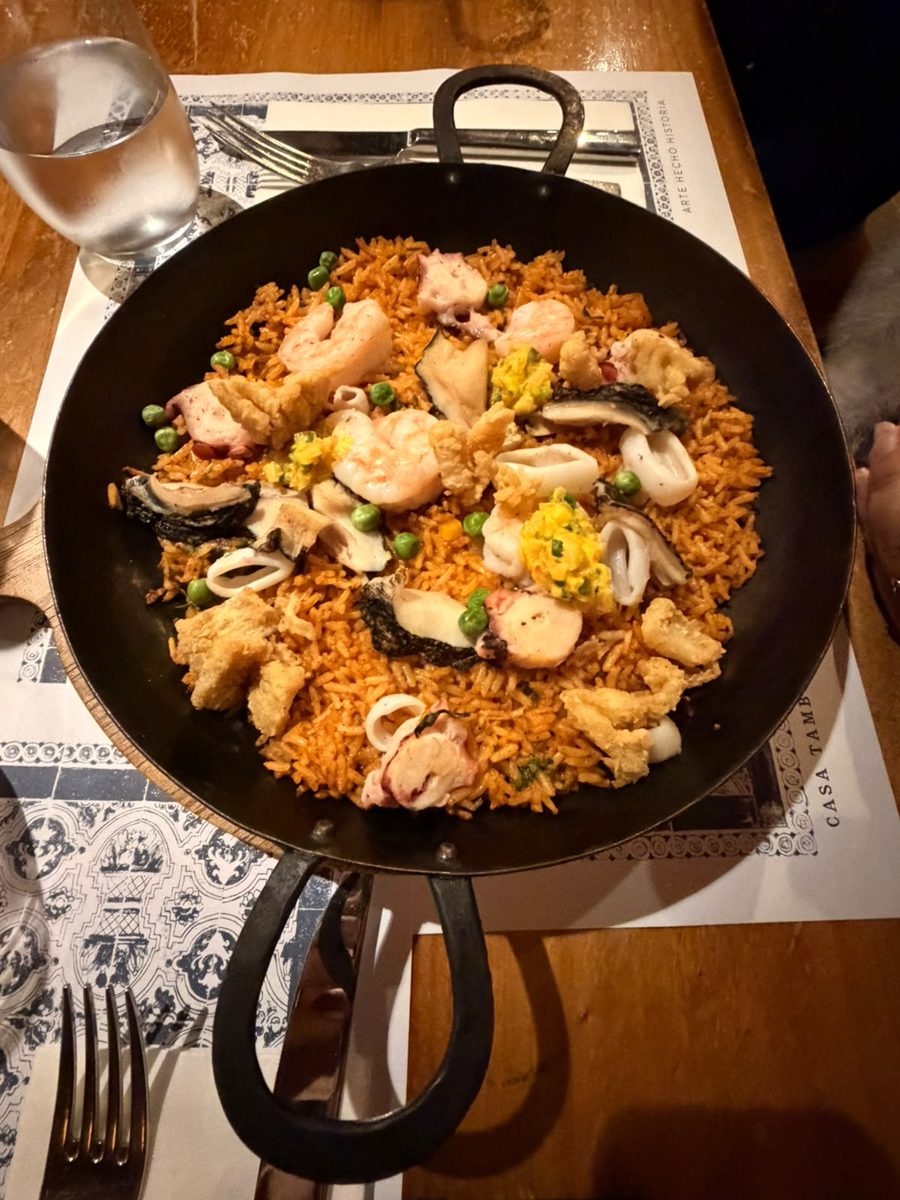
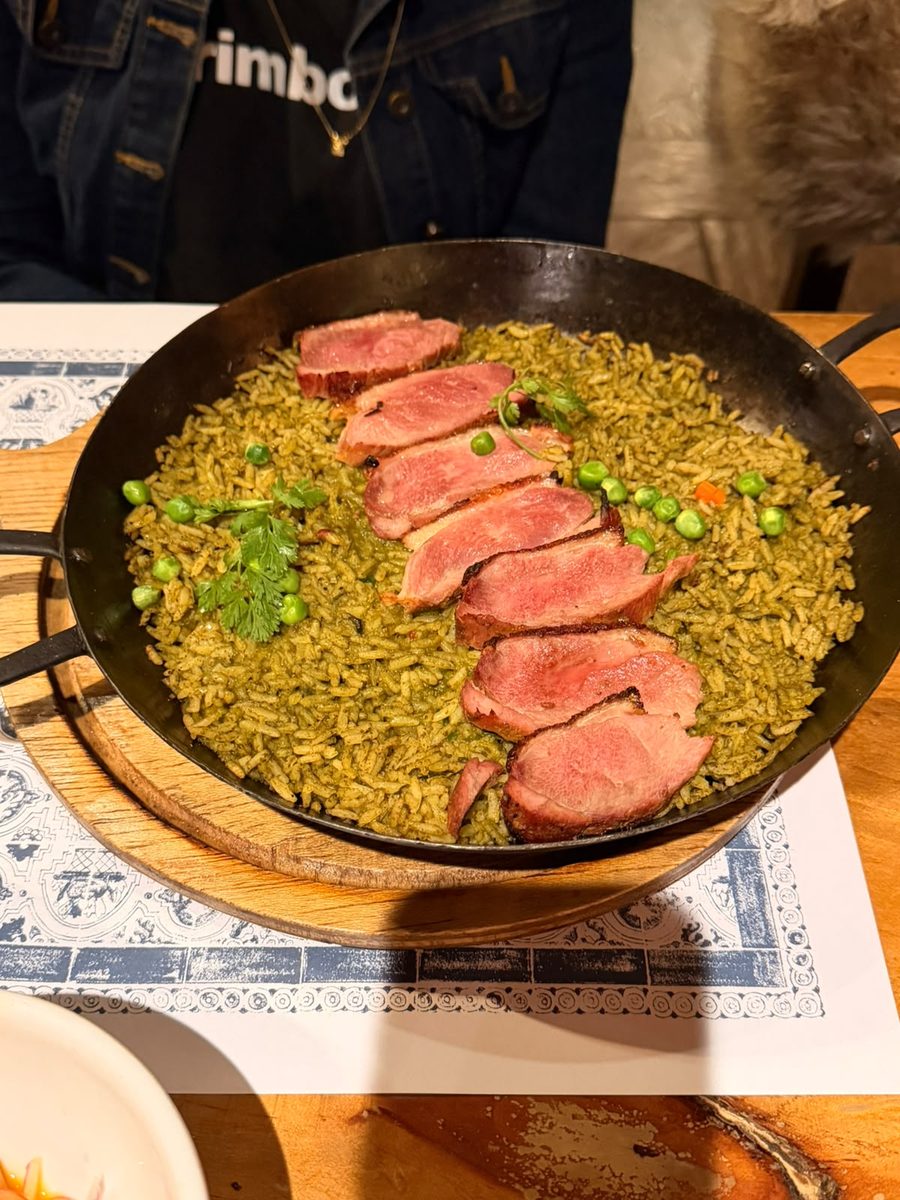
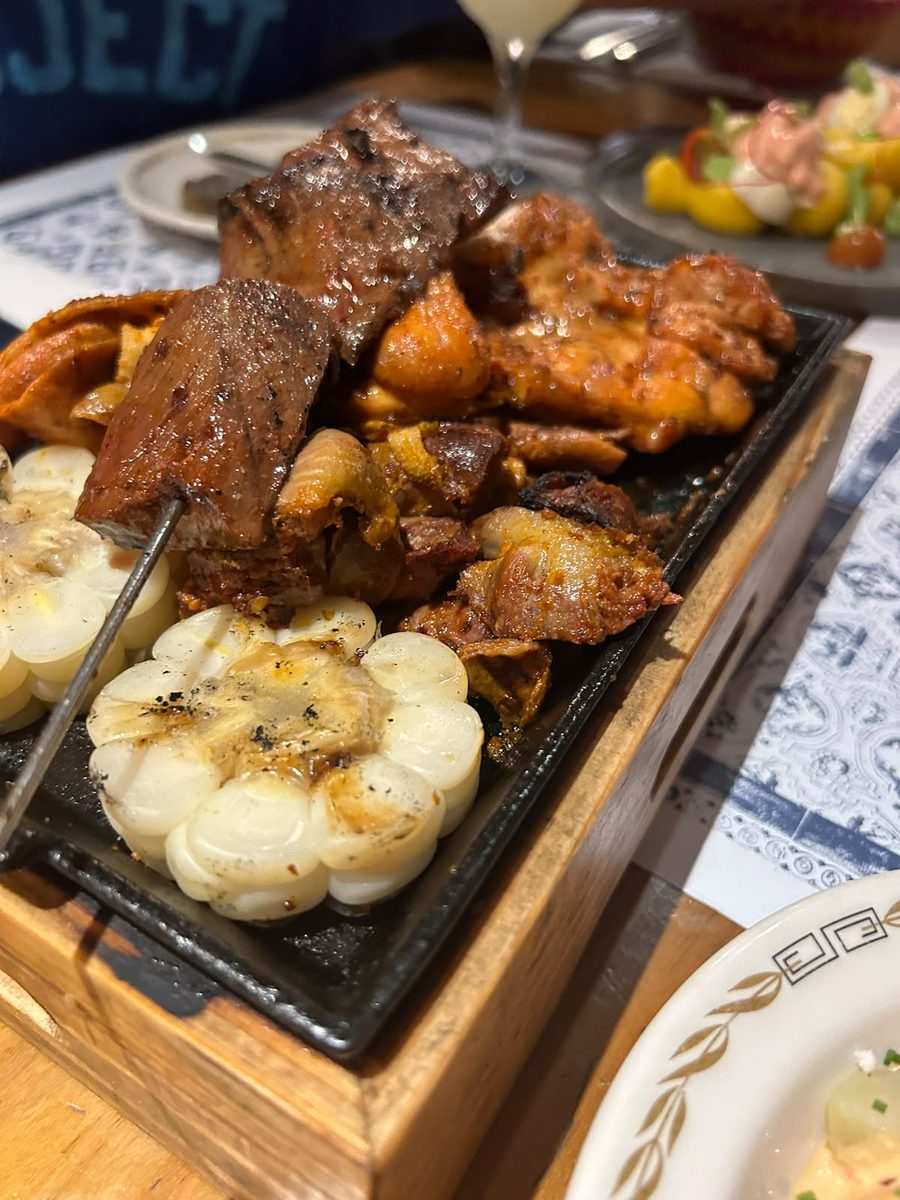
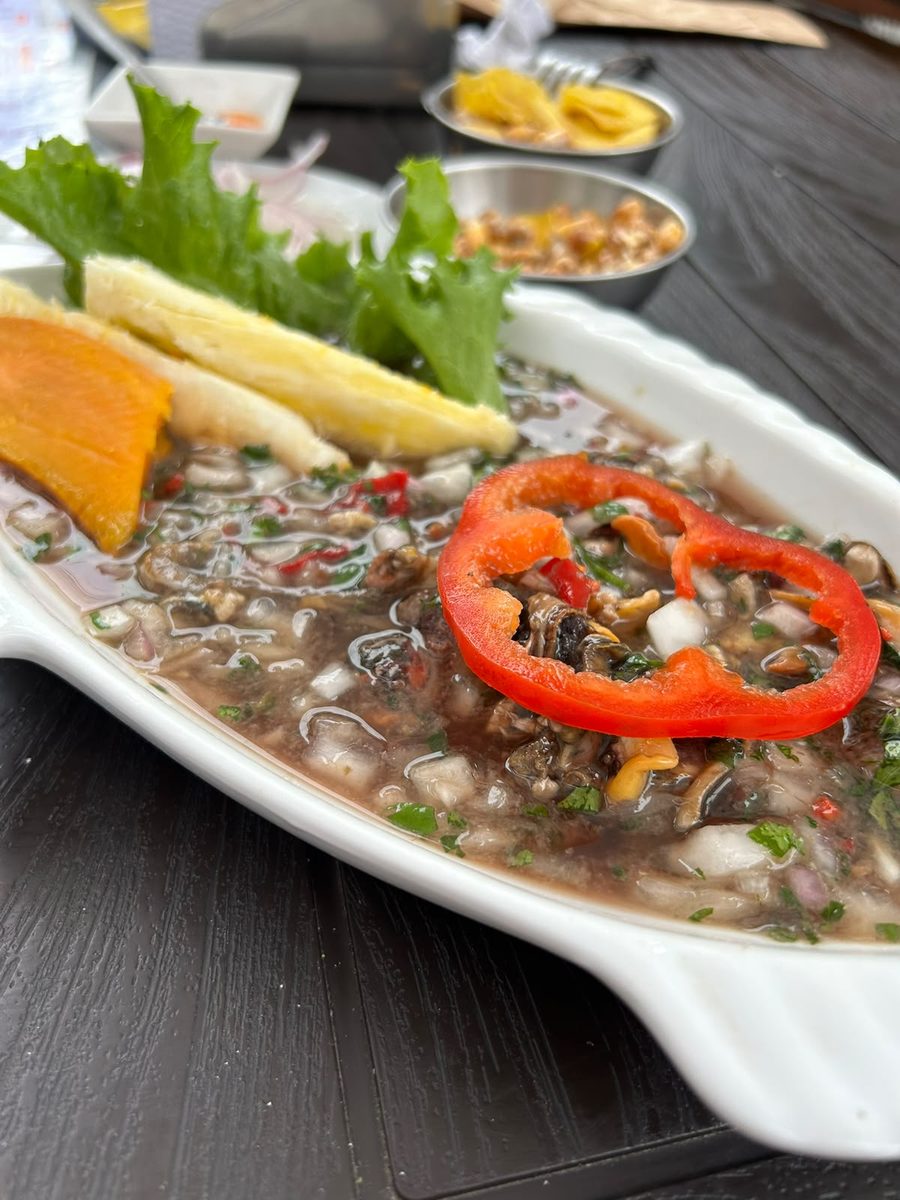
A taste of the walk
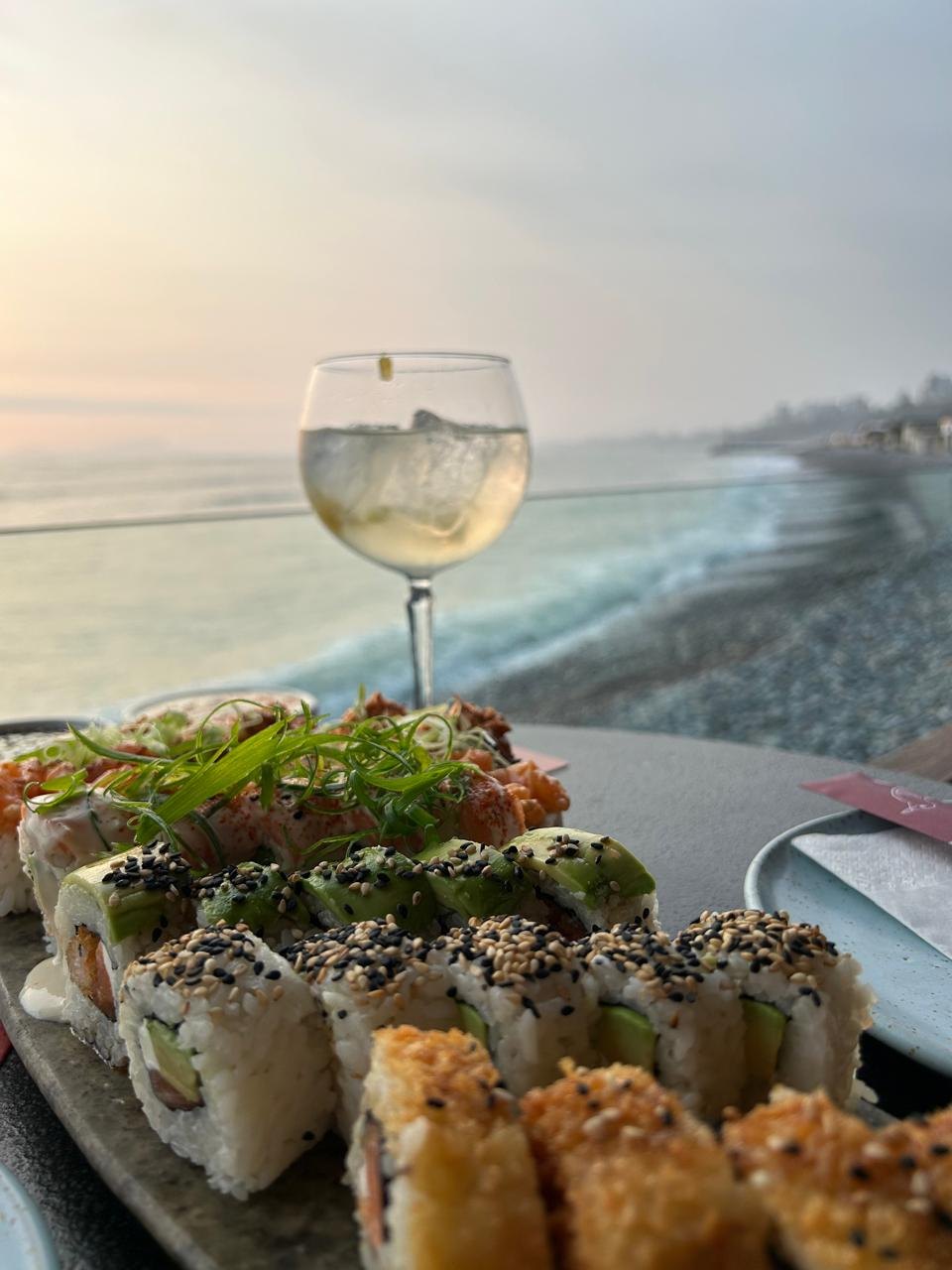
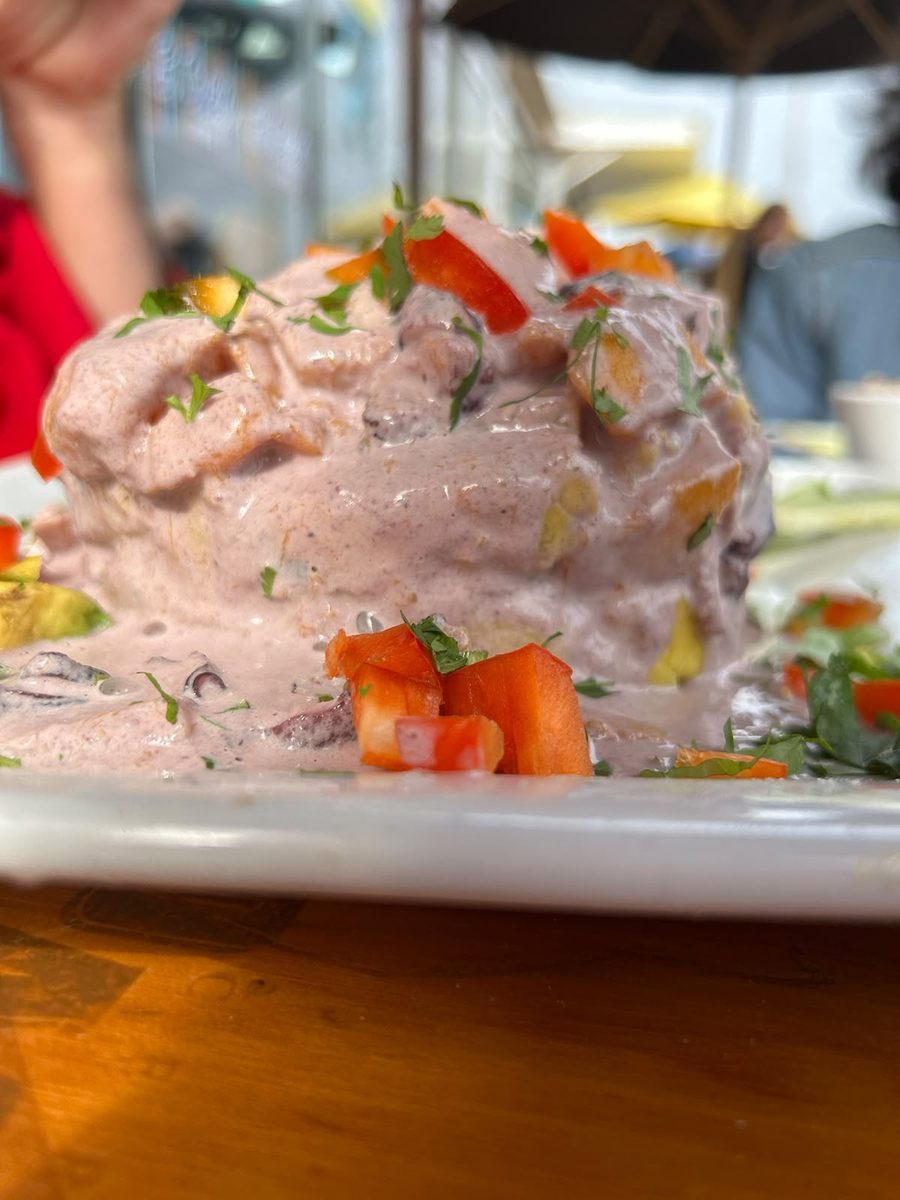
What the table looks like.
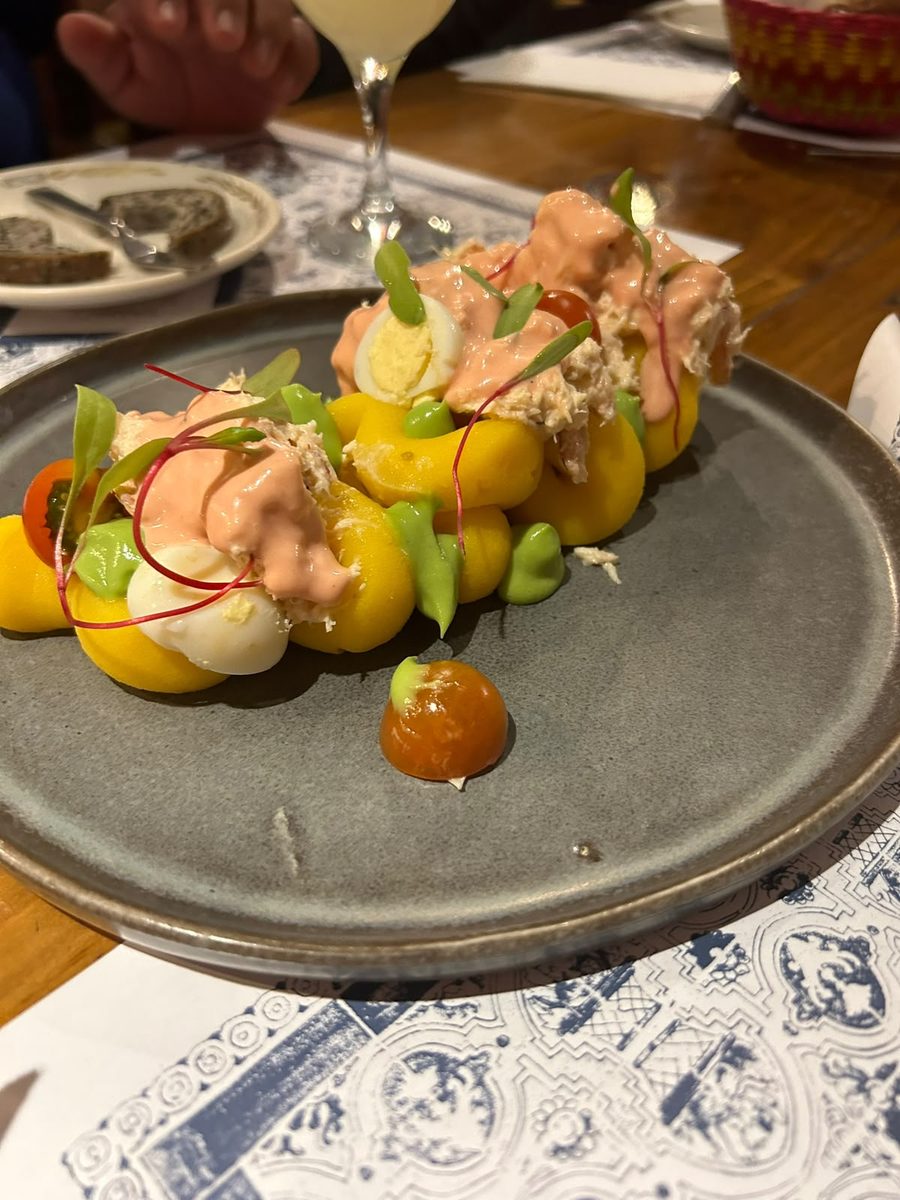
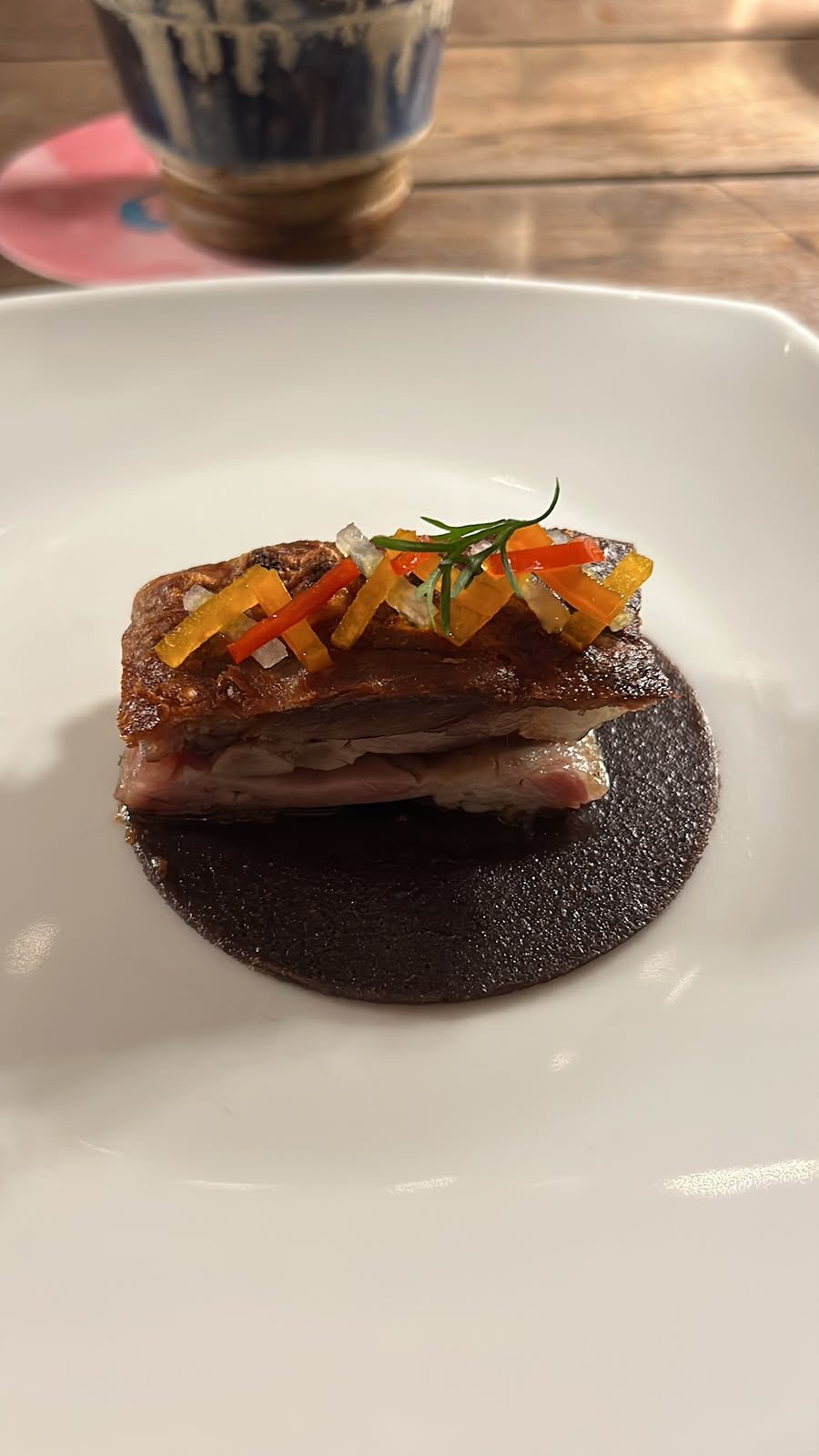
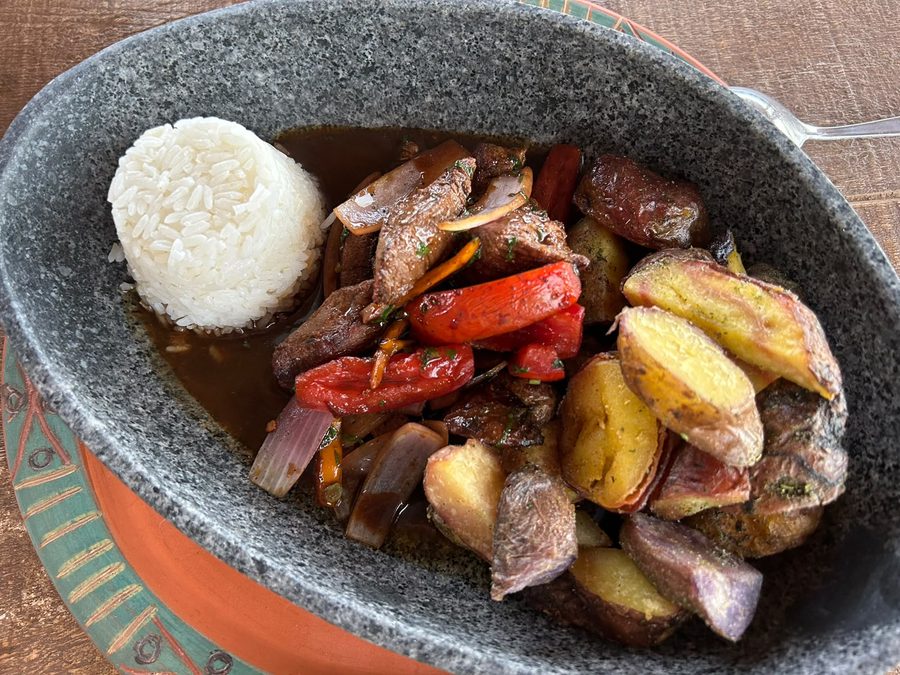
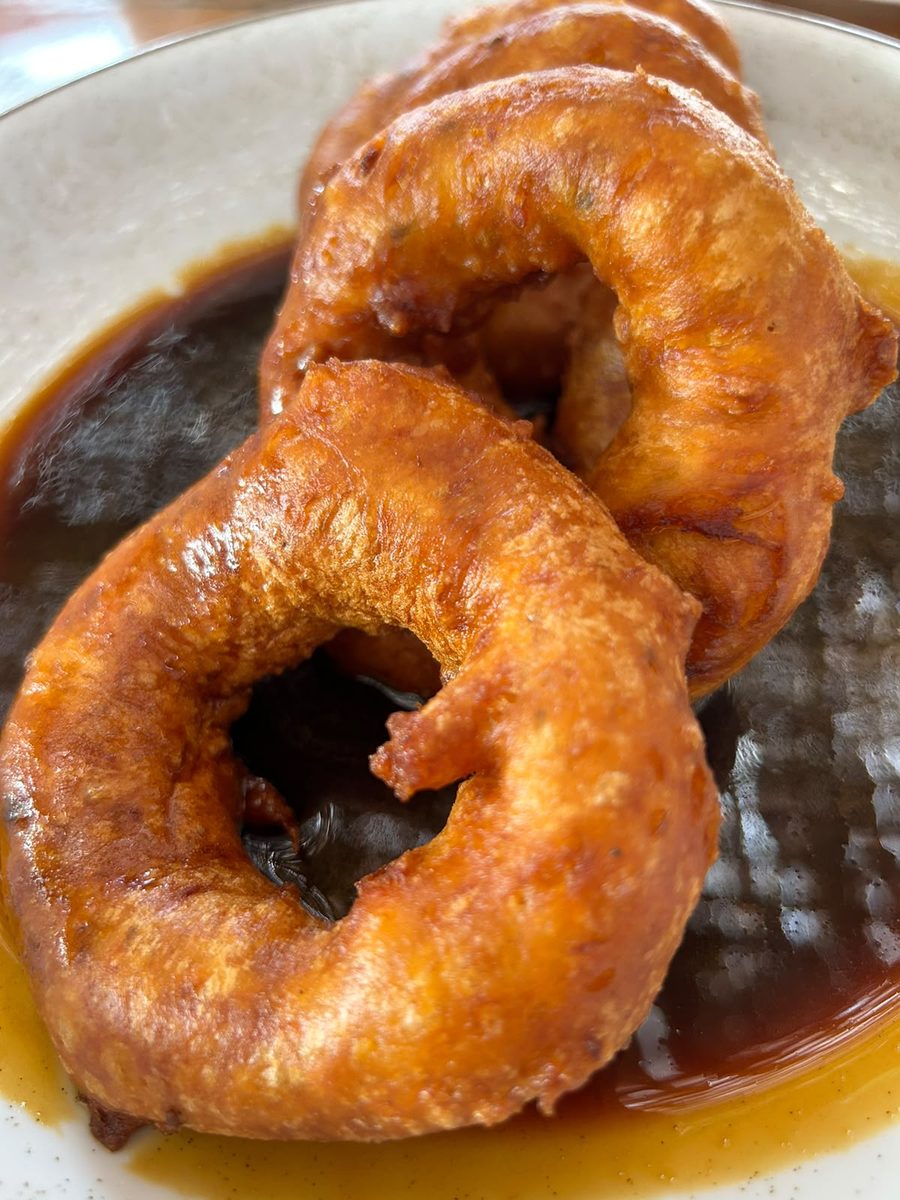
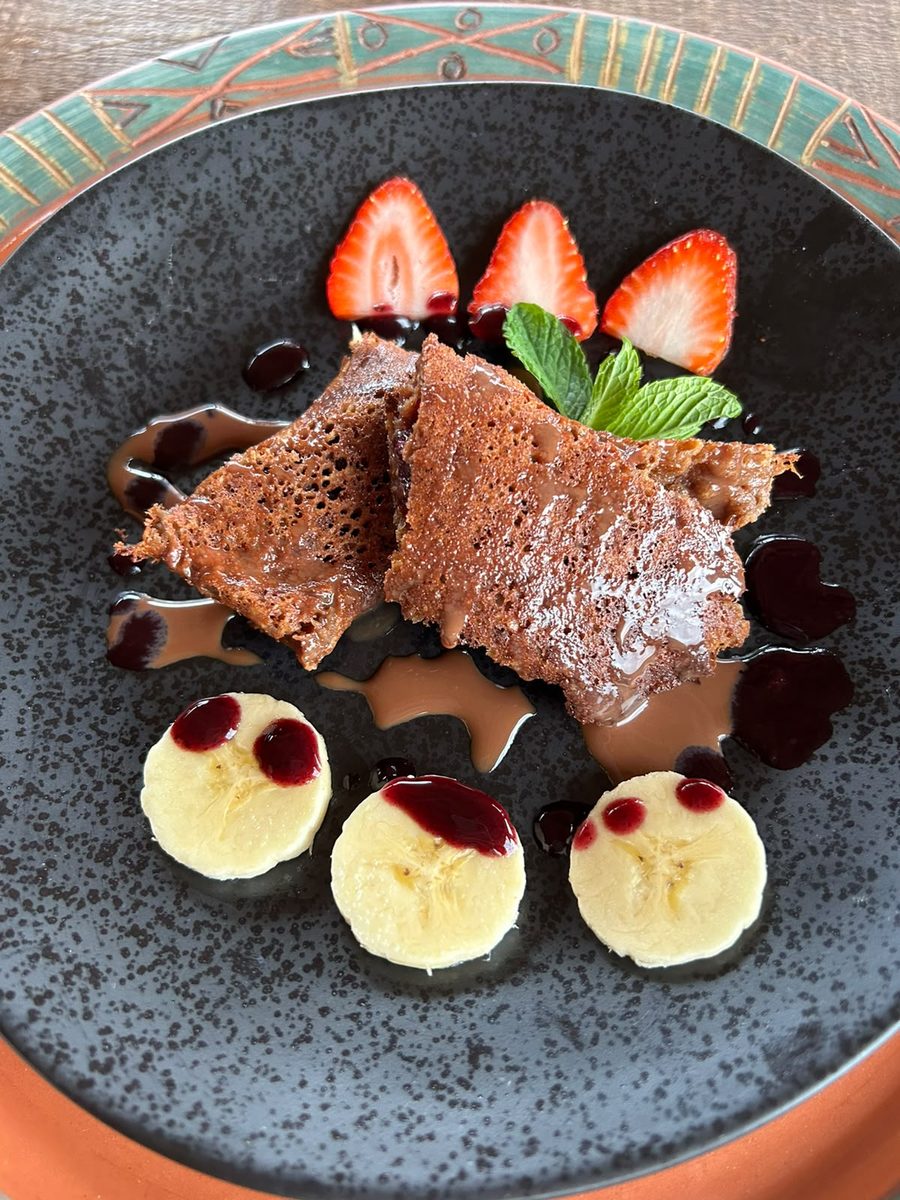
Scroll for more
The route
Five stops. Two ways to taste each one.
Every stop pairs what you'll eat with what you'll see — the plate and the place. We meet on Plaza San Martín and finish at the table.
Gran Hotel Bolívar — the first verdict
The legendary “Catedral” pisco sour, served with piqueos so nobody drinks on an empty stomach.
A 1924 grand hotel on Plaza San Martín, and the ballroom that once held the whole republic.
Jirón de la Unión — learning to read
Nothing on this stretch, on purpose. It's the walk between two piscos, and your appetite has a job later.
Balconies, facades and construction tricks — the architect's read, in afternoon light made for photos.
Hotel Maury — the rival claim
The second pisco sour, served as a half pour: the comparison is the point, not the count.
The bar where one version of history says the drink was actually invented. The argument stays open.
Bar Cordano — the institution
Butifarra and tamal at a counter that has fed presidents and poets since 1905.
A room that has refused to change for a century, one block from the Government Palace.
The closing table — a restored casona
Contemporary criollo cooking, sitting down, unhurried: the plate the whole walk was building towards.
Heritage that survives because a kitchen still pays for it — the thesis of this brand, as a place.
Coffee as territory
A guided tasting of Peruvian coffee and cacao at a specialty coffee house — the barista explains where the bean grew and who grew it.
Why Peruvian coffee has no single flavour: altitude, climate, variety and processing change the cup completely.
Barranco the seaside resort — Colina and Sáenz Peña
Nothing on this stretch. Your appetite has work later.
The district before the cafés: the scale of the summer houses, the gardens, and the casonas that found a second life as boutique hotels.
The second cup — compare, don't repeat
A different preparation in small format, no pastry: espresso, filter or cold, depending on the season. The point is the comparison.
Barranco's contemporary coffee scene, and why there is no correct cup — only one that fits the bean and the person.
Bohemian Barranco
—
Plaza de Barranco, the Biblioteca, La Ermita, the Puente de los Suspiros and the Bajada de Baños: how a ravine became the district's most recognisable walk to the sea.
The sweet close
A Peruvian pastry chosen in advance — cacao, Peruvian chocolate, lúcuma — with water, infusion or a cold drink.
How familiar household ingredients turned into contemporary Peruvian pastry.
This route opens during our Founding Season. Tell Lucía on WhatsApp and we'll write to you before it goes on sale.
Contemporary Peruvian lunch
A closed 75-minute menu: small plates to share, a main of your choice, water and a Peruvian drink. No dessert here — on purpose.
Contemporary Peruvian cooking told from the product up, with the kitchen explaining one dish or ingredient itself.
Historic Barranco — Domeyer and the ravine
—
Domeyer, the Plaza, the Biblioteca, La Ermita, the Puente de los Suspiros and the Bajada de Baños, walked with an architect's reading.
Dessert, on its own
A contemporary Peruvian dessert selected in advance — cacao, chocolate or lúcuma — with a light drink.
Why dessert deserves its own address instead of arriving at the end of lunch.
Casonas and the turning light — Sáenz Peña
—
Republican casonas given new uses, and the exact hour when Barranco stops being a daytime district and becomes a night one.
The closing cocktail, in a restored mansion
A pisco cocktail — or a proper alcohol-free version — in a reserved corner, unhurried.
A republican mansion turned into one of the district's landmark bars: heritage that survives because it is still used.
This route opens during our Founding Season. Tell Lucía on WhatsApp and we'll write to you before it goes on sale.
Restaurante Huaca Pucllana — lunch beside a pyramid
Lunch at a table that looks straight onto a 1,500-year-old adobe pyramid, lit as the afternoon turns.
The huaca itself, and the introduction: how ancient Lima, its territory and its cooking are one story.
Huaca Pucllana — the site
Nothing here — this hour belongs to your eyes.
Adobe construction technique, pre-Hispanic urbanism, social organisation and how a farming landscape adapted to a desert.
Parque Kennedy — how Miraflores was born
A pause, and whatever the park's carts are selling that day.
The birth of the district, its urban growth, and how it became one of Lima's centres of gravity.
Calle Tarata — memory and repair
A quiet stop, on purpose.
Memory, resilience and urban reconstruction after the 1992 bombing — the hardest reading of the walk.
Malecón & sunset at La Rosa Náutica
A cocktail, a glass of wine or a light aperitivo as the sun drops into the Pacific.
The city's relationship with the ocean: the coastal edge, the cliffs, and public space done right.
This route opens during our Founding Season. Tell Lucía on WhatsApp and we'll write to you before it goes on sale.
Artisan breakfast in the valley
Oven bread, Peruvian coffee, valley cheeses, preserves and local produce at a traditional café.
The morning quiet of Pachacámac — the valley waking up, before Lima catches up with you.
Museo de Sitio de Pachacámac
Nothing yet. Save your appetite for Chaxras.
The sanctuary's history and Andean cosmovision — plus the architect's read of the award-winning contemporary museum and how it sits in the landscape.
The sanctuary
—
An unhurried walk through the archaeological complex: ceremonial urbanism, adobe architecture, temple orientation, and the bond between landscape and the sacred.
Lunch at Chaxras, and the Peruvian Paso horse
A long, relaxed lunch at one of the valley's most respected kitchens, where the cooking talks to the farmland around it.
A demonstration of the Caballo Peruano de Paso, part of the restaurant's own life — coastal tradition, still alive.
The farewell coffee
One last Peruvian coffee, chosen carefully, on the road back to Lima.
The point of the whole day: not visiting many places, but living one valley slowly.
This route opens during our Founding Season. Tell Lucía on WhatsApp and we'll write to you before it goes on sale.
Who you'll be sitting with
Six chairs, and the people in them.
Small enough that nobody is a number — and that the architect can actually answer your question.
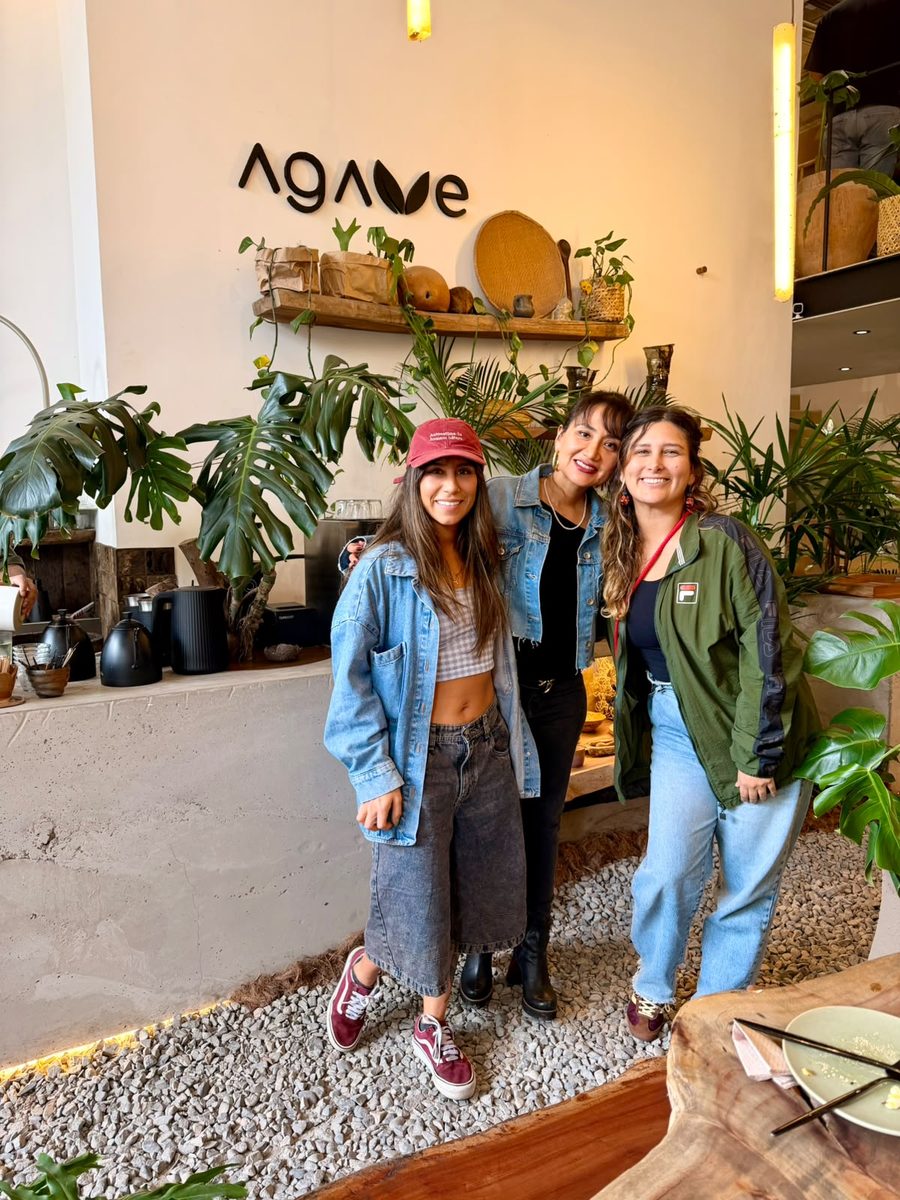
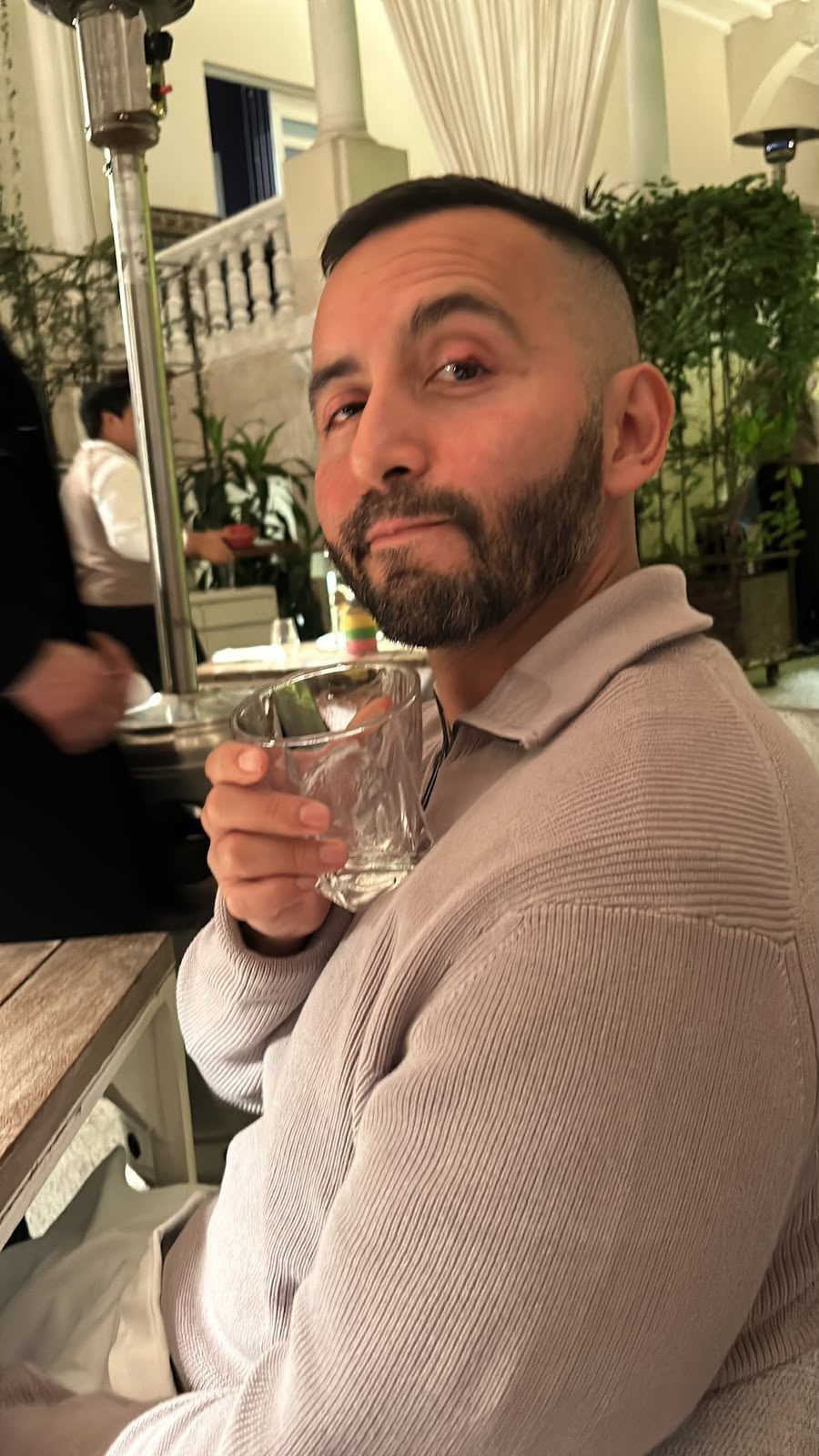
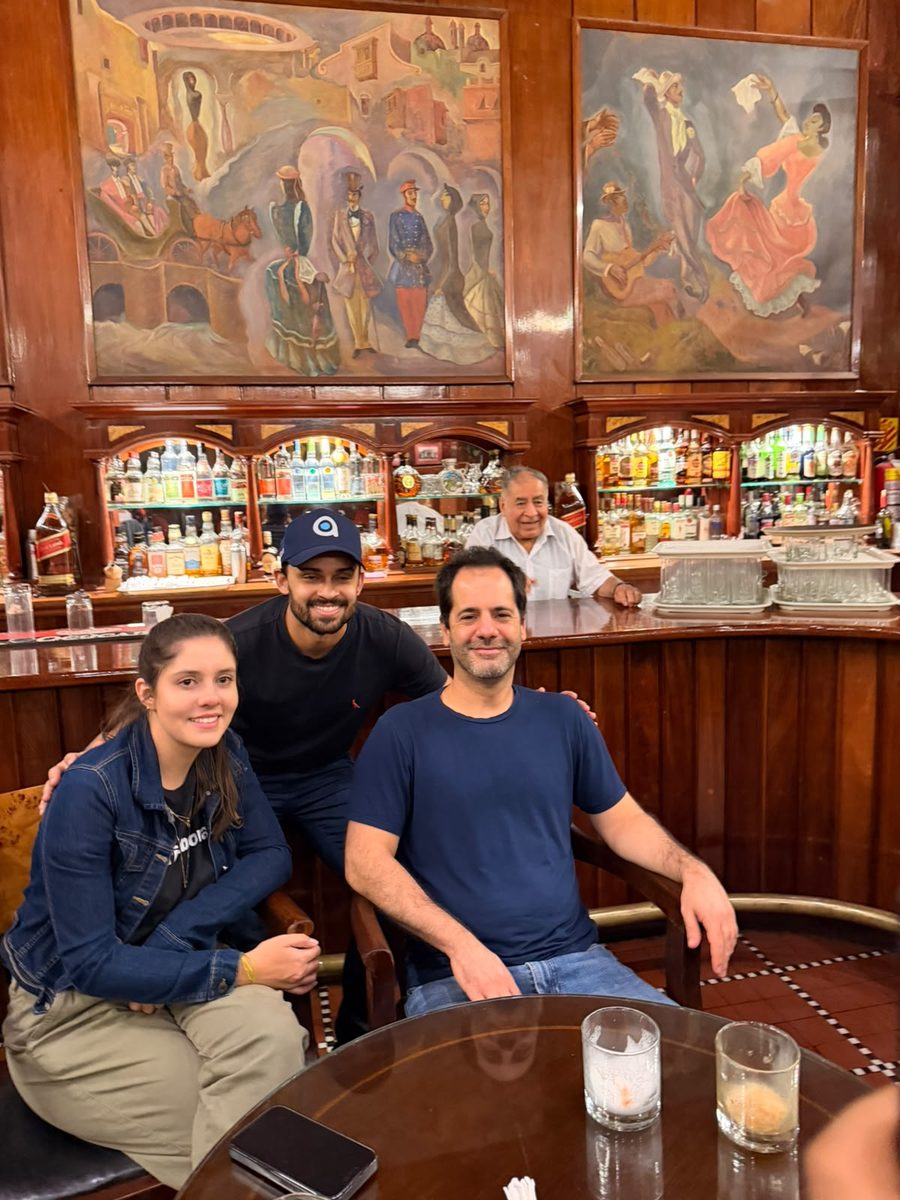
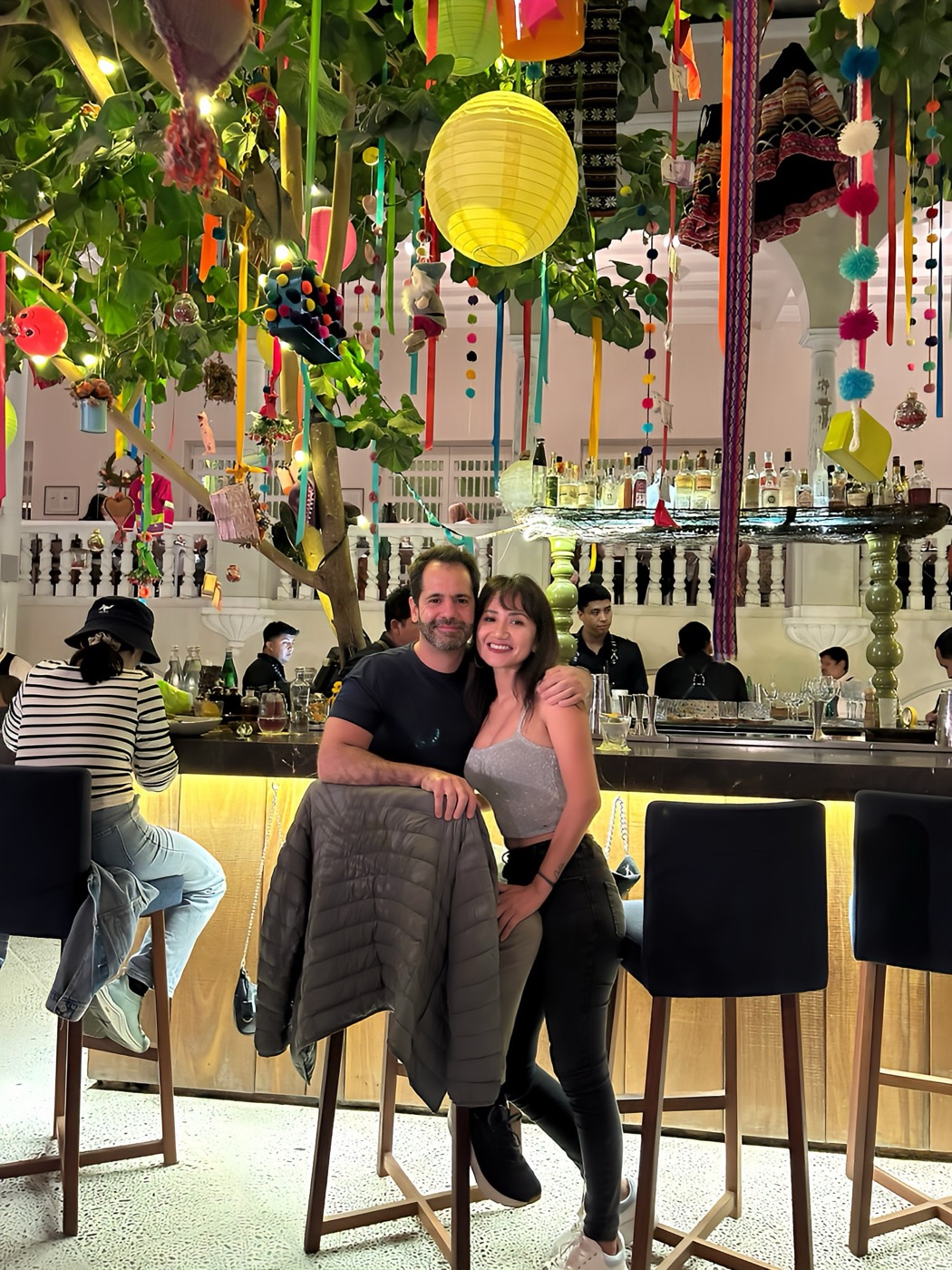
Your hosts
Guided by an architect.
Fed like family.
"I spent years drawing buildings. Now I use them as the menu — every balcony on the Jirón tells you what its kitchen once cooked."
Born and raised in Lima, Paola is an architect who traded the drafting table for The Peru Table — same eye for detail, better snacks. Marco, her partner in crime, keeps the table running.
— Your hosts: an architect & her partner in crime
Season
2026
Book your table
The Lima Table
- 4 hours, on foot — Lima's historic centre
- Max 6 guests — always
- 8–10 tastings, from pisco sour to a criollo table
- Led by an architect, in English or Spanish
- Free cancellation up to 48h before
Tours run Tue–Sat, afternoons.
Answer within the hour, straight from Lima.
or write to hola@theperutable.com
Group of 7+? We host private tours on demand — ask Lucía on WhatsApp.
Good to know
Questions, answered.
I'm vegetarian / have dietary restrictions — can I still come?
Yes. Tell us when you book and every stop will have a version for you — Lima's kitchens are used to it, and so are we.
How much walking is it?
About 2.5 km (1.5 miles) at a slow, eating-friendly pace, with three long sits along the way. Comfortable shoes; the streets are the museum.
Is the historic centre safe?
We walk together, on the main lit stretches, and we tell you plainly where phones stay in pockets. The walk finishes at the table, and we put you in a taxi from the door.
Can you make it a private tour?
Yes — the whole table can be yours. Message us on WhatsApp for private dates and pricing.
Where do we meet?
On Plaza San Martín, in the historic centre — 20 to 25 minutes by taxi from Miraflores. Exact pin sent with your confirmation.
Six chairs. One table.
Yours is waiting.
Dates fill up fast in high season (May–September). Reserve your spot at the table today.
Check available dates